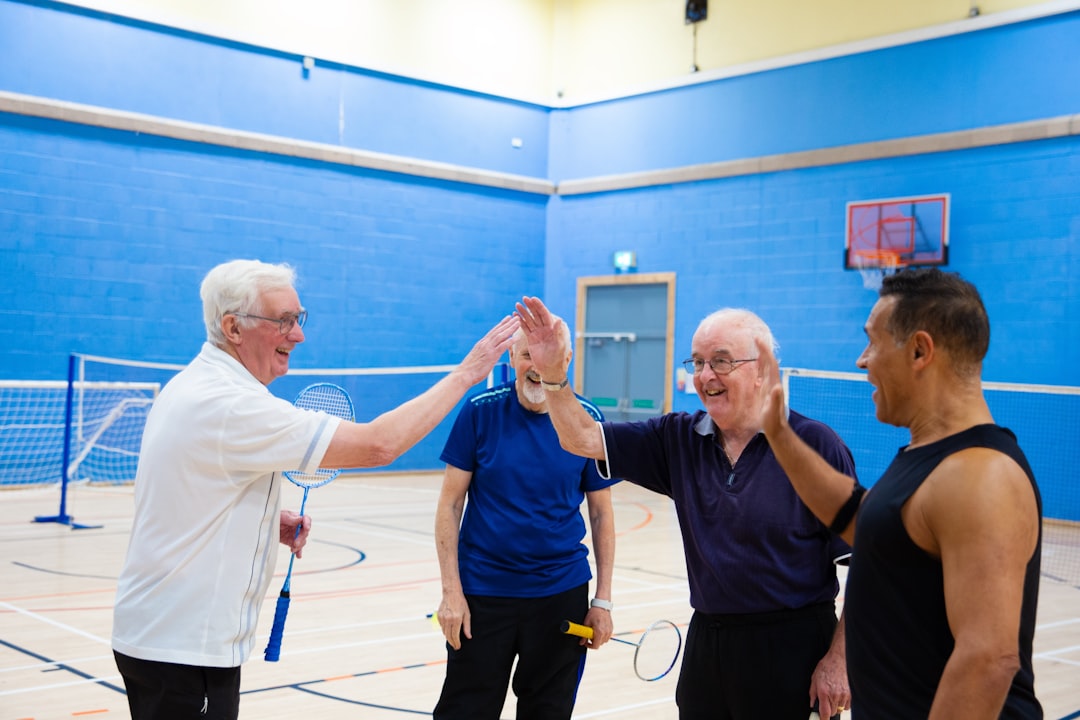
Low-impact exercise doesn't mean low-results. In fact, for people over 40, low-impact workouts often deliver superior long-term results precisely because they're sustainable. These exercises protect your joints from excessive stress while still providing the cardiovascular benefits, strength gains, and calorie burn needed for optimal fitness. Whether you're recovering from an injury, managing arthritis, or simply want to train smarter as you age, these ten exercises will transform your fitness routine.
1. Swimming and Water Aerobics
Water provides natural resistance in all directions while supporting your body weight, making aquatic exercise the ultimate low-impact workout. Swimming engages virtually every muscle group, improves cardiovascular fitness, and burns substantial calories—all while placing minimal stress on joints.
Water aerobics classes offer similar benefits with the added advantage of social interaction and instructor guidance. The buoyancy of water reduces impact forces by up to 90%, making it ideal for people with arthritis, previous injuries, or significant weight to lose. Aim for 30-45 minutes of water-based exercise 3-4 times per week for optimal results.
2. Cycling (Stationary or Outdoor)
Cycling provides excellent cardiovascular conditioning while being gentle on knees, hips, and ankles. The circular pedaling motion lubricates joints without the impact forces of activities like running. Whether you prefer outdoor cycling or a stationary bike at home, this exercise builds lower body strength and endurance while burning calories efficiently.
For people over 40, cycling offers the added benefit of being easily adjustable in intensity. Start with flat terrain or low resistance and gradually increase difficulty as your fitness improves. Consider recumbent bikes if you have back issues, as they provide additional lumbar support.
3. Elliptical Training
Elliptical machines simulate running motion without the impact. Your feet never leave the pedals, eliminating the joint stress associated with each footfall in running. Modern ellipticals allow you to adjust incline and resistance to target different muscle groups and intensity levels.
Use the moving handles to engage your upper body, creating a full-body workout that burns significant calories. Maintain an upright posture and avoid leaning heavily on the handles, which reduces workout effectiveness. Sessions of 20-30 minutes provide substantial cardiovascular benefits without joint punishment.
4. Yoga
Yoga offers comprehensive benefits including improved flexibility, balance, strength, and mental well-being. Gentle and restorative yoga styles are particularly appropriate for people over 40, though more vigorous styles like vinyasa can be modified to suit individual capabilities.
Regular yoga practice has been shown to reduce chronic pain, improve bone density, enhance cardiovascular health, and decrease stress hormones. Start with beginner classes and communicate any limitations to your instructor. Even 15-20 minutes of daily practice can produce noticeable improvements in how you feel and move.
5. Walking
Never underestimate the power of walking. This accessible, free exercise can be performed anywhere and requires no special equipment beyond good shoes. Walking improves cardiovascular health, helps control weight, strengthens bones, and boosts mood without stressing your joints.
To maximize benefits, maintain a brisk pace that elevates your heart rate but still allows conversation. Incorporate hills or intervals of faster walking to increase intensity. Aim for at least 30 minutes most days of the week. Using walking poles engages upper body muscles and can increase calorie burn by up to 20%.
6. Rowing
Rowing machines provide outstanding full-body workouts that are surprisingly low-impact. Despite engaging 85% of your muscles, rowing places minimal stress on joints when performed with proper technique. This exercise builds cardiovascular endurance, strengthens your back, and improves posture.
Focus on technique before intensity. The rowing stroke should be smooth and controlled, driven primarily by your legs, not your back. Start with 10-15 minute sessions and gradually increase duration as your fitness improves. Rowing is particularly beneficial for people who spend significant time sitting, as it counteracts the postural effects of desk work.
7. Tai Chi
This ancient Chinese martial art involves slow, flowing movements that improve balance, flexibility, and strength. Research shows tai chi can reduce fall risk in older adults by up to 45%, making it invaluable for people over 40 concerned about maintaining stability and coordination.
Tai chi also reduces stress, improves sleep quality, and can help manage chronic pain conditions. The meditative aspect provides mental health benefits while the controlled movements build functional strength. Look for beginner classes in your community or follow along with instructional videos at home.
8. Resistance Band Training
Resistance bands provide variable resistance throughout exercises, challenging muscles effectively while being extremely gentle on joints. These affordable, portable tools enable full-body strength training anywhere. The elastic resistance feels different from free weights, often allowing people with joint pain to perform exercises that would be uncomfortable with dumbbells.
Bands come in various resistance levels, allowing progressive difficulty as you strengthen. Exercises can target every major muscle group, from chest presses and rows to squats and shoulder raises. Incorporate band training 2-3 times weekly for comprehensive strength development without joint stress.
9. Pilates
Pilates emphasizes core strength, flexibility, and body awareness through controlled movements. This low-impact practice improves posture, reduces back pain, enhances balance, and builds lean muscle. Mat Pilates requires no equipment, making it accessible for home practice.
The focus on proper alignment and controlled movement makes Pilates particularly beneficial for people over 40. Regular practice can reverse poor postural habits developed over decades, reducing associated pain and dysfunction. Start with beginner classes to learn proper form, then progress to more challenging variations.
10. Dancing
Dancing combines cardiovascular exercise with coordination training, balance work, and social interaction—all wrapped in an enjoyable activity. From ballroom to line dancing to Zumba, countless dance styles accommodate various fitness levels and preferences. The cognitive challenge of learning steps and patterns may even help maintain brain health.
Dancing burns significant calories while being relatively easy on joints, especially compared to high-impact aerobics. The varied movements work muscles from different angles, improving functional fitness. Plus, the fun factor makes dancing one of the most sustainable forms of exercise—you're more likely to stick with activities you enjoy.
Creating Your Low-Impact Routine
The key to fitness success after 40 is consistency, and low-impact exercises make consistency achievable. Mix and match these activities to create a balanced routine that includes cardiovascular exercise, strength training, and flexibility work. Variety prevents boredom and ensures comprehensive fitness development.
Listen to your body and adjust intensity as needed. Low-impact doesn't mean no-intensity—you can still work hard and see impressive results while protecting your joints. Start where you are, progress gradually, and celebrate the sustainable fitness you're building for the long term.